Best Foam Rollers for Recovery
Your muscles still work hard — they just need a little more help recovering as you get older. Foam rolling is one of the simplest tools you can add to your routine. A few minutes after a workout can help reduce tightness, support circulation, and keep your body feeling ready for the next session.
Why It Matters
As we get older, the connective tissue around our muscles naturally loses some of its elasticity. This is why that post-workout soreness tends to linger longer. Foam rolling applies gentle pressure that can help release that tightness and restore normal movement — without adding stress to your joints.
It pairs well with any routine — whether you're jumping rope, walking, or doing bodyweight work at home. A few minutes before or after a session makes a noticeable difference in how you feel the next day.
Our Top Recommendations
Every roller below is one we'd actually recommend based on durability, comfort, and real-world recovery feedback. From budget-friendly to premium, here's what's worth your money.
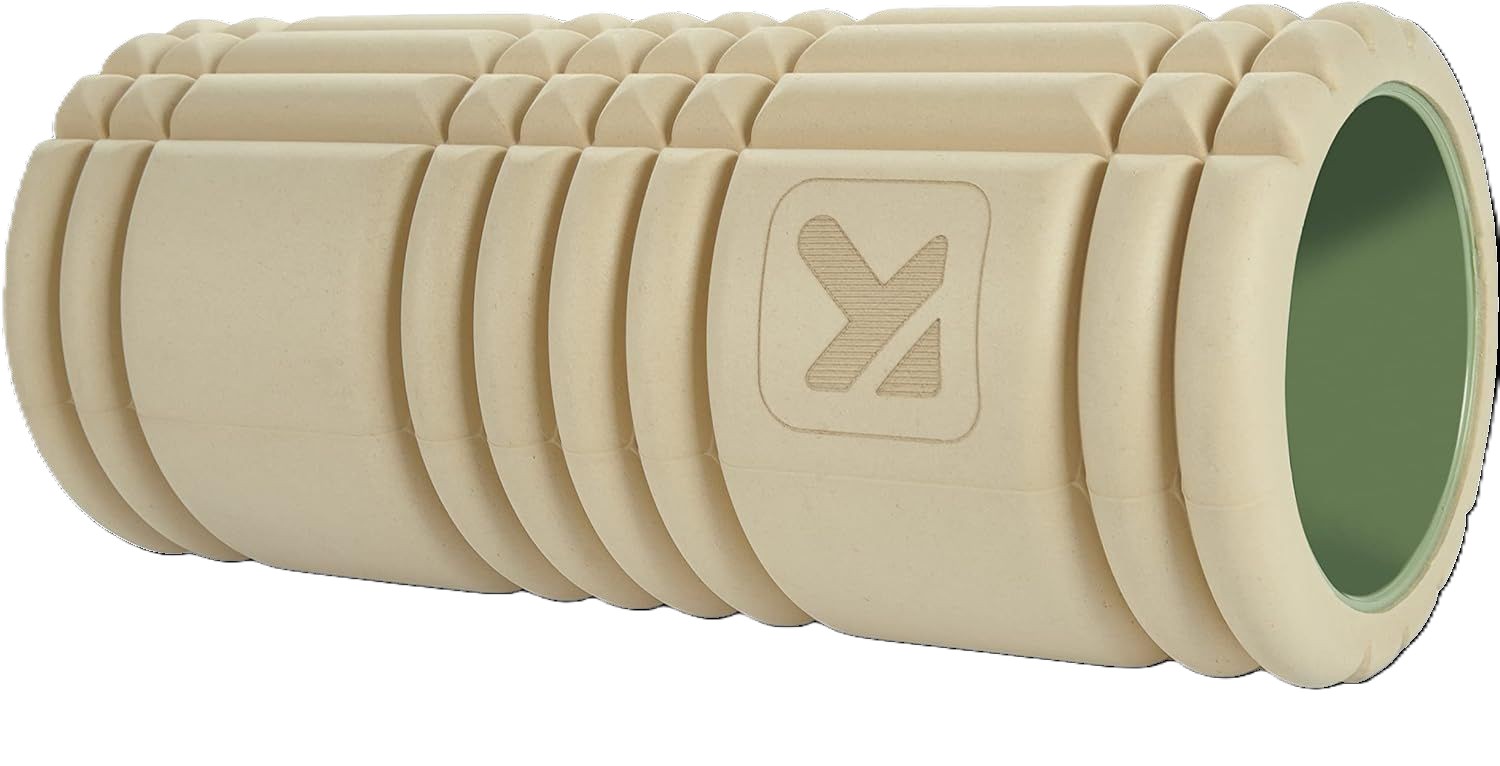
TriggerPoint GRID 1.0 Foam Roller
The GRID has been a go-to for physical therapists and trainers for years — and for good reason. The multi-density surface mimics the feel of a hands-on massage, with different zones that let you control how deep the pressure goes. Firm enough to work through tight spots, but not so aggressive that you'll dread using it. The hollow core keeps it lightweight and durable — it won't flatten out after months of regular use. At 13 inches, it's compact enough to store anywhere.
- Multi-density EVA foam surface mimics a massage therapist's hands
- Hollow core design — lightweight, portable, won't lose shape
- Firm enough for effective recovery, gentle enough for daily use
- Compact 13" size — fits in a bag, works in any room
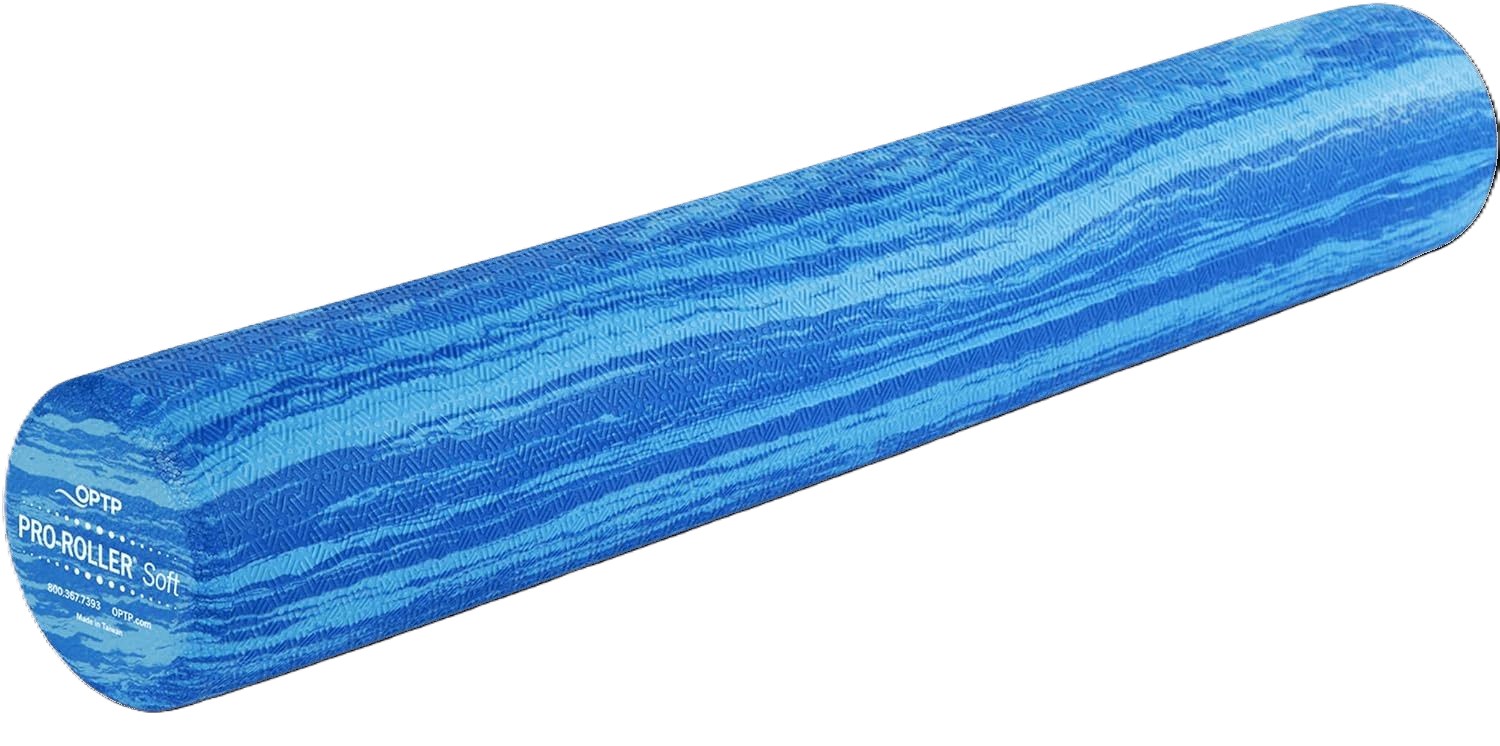
OPTP PRO-ROLLER Soft
If you've never foam rolled before — or if firmer rollers feel like punishment — this is your starting point. The low-density foam delivers gentle, even pressure that won't make you flinch. It's forgiving on sensitive joints and tender muscles, which makes it easier to build a consistent habit. At 36 inches, it's long enough for full-back rolling and stable enough to lie on for chest openers and hip stretches. A genuinely comfortable way to start.
- Soft density — gentle pressure that's easy on sensitive joints
- 36" full length — stable for back rolling and stretching
- Smooth surface with no aggressive texture
- Ideal first roller for building a daily habit
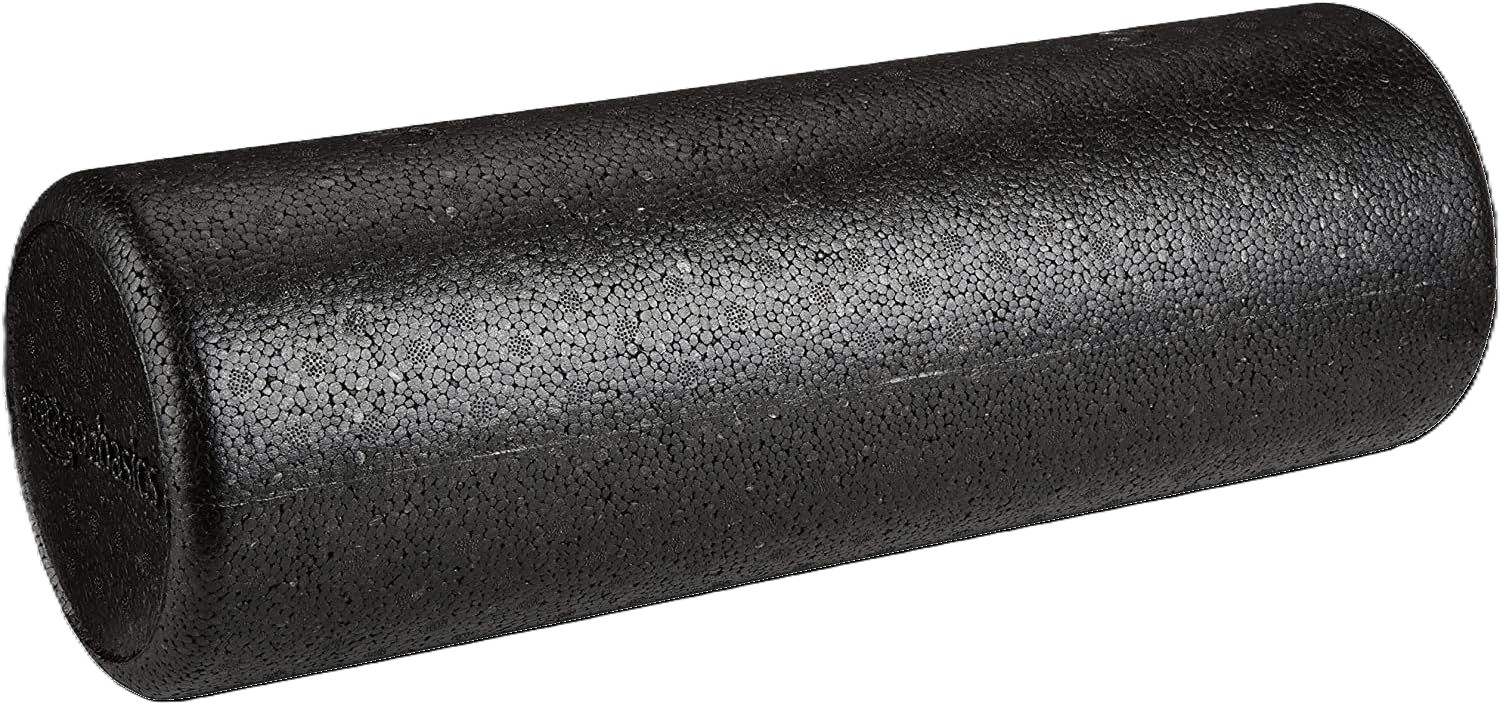
Amazon Basics High-Density Foam Roller (18")
If you want to start foam rolling without thinking twice about the cost, this is the one. Made from solid polypropylene, it's durable enough to hold its shape through months of regular use. The 18-inch size is practical for targeting quads, hamstrings, calves, and IT bands. No frills, no gimmicks — just a well-made roller at a price that removes all hesitation.
- High-density polypropylene — firm, durable, holds its shape
- 18" length — portable and easy to store
- Smooth surface for consistent, even pressure
- Budget-friendly — a no-risk way to start foam rolling
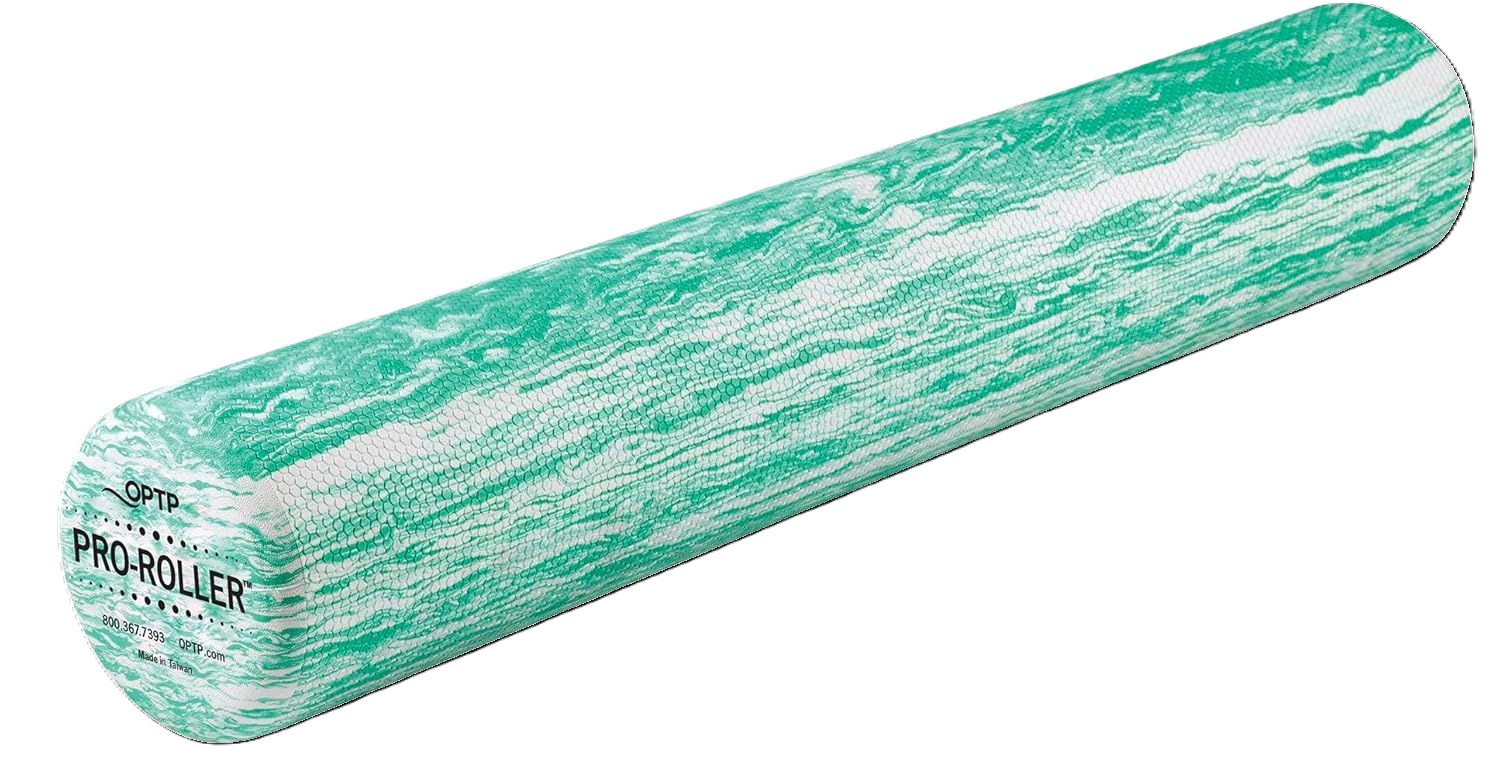
Rollga Standard Foam Roller
Most rollers are round — the Rollga isn't. Its contoured shape is designed to cradle your spine instead of pressing into it, which makes it especially useful for upper back work and posture correction. If you spend hours sitting at a desk and carry tension between your shoulder blades, this targets that area more effectively than a standard cylinder. The grooves also help it stay in place, so you're not constantly readjusting. A different approach to rolling that makes a lot of sense for desk-bound adults.
- Contoured design cradles the spine — no direct pressure on vertebrae
- Ideal for upper back tension and posture correction
- Medium density — effective without being aggressive
- Grooved shape stays in place during use
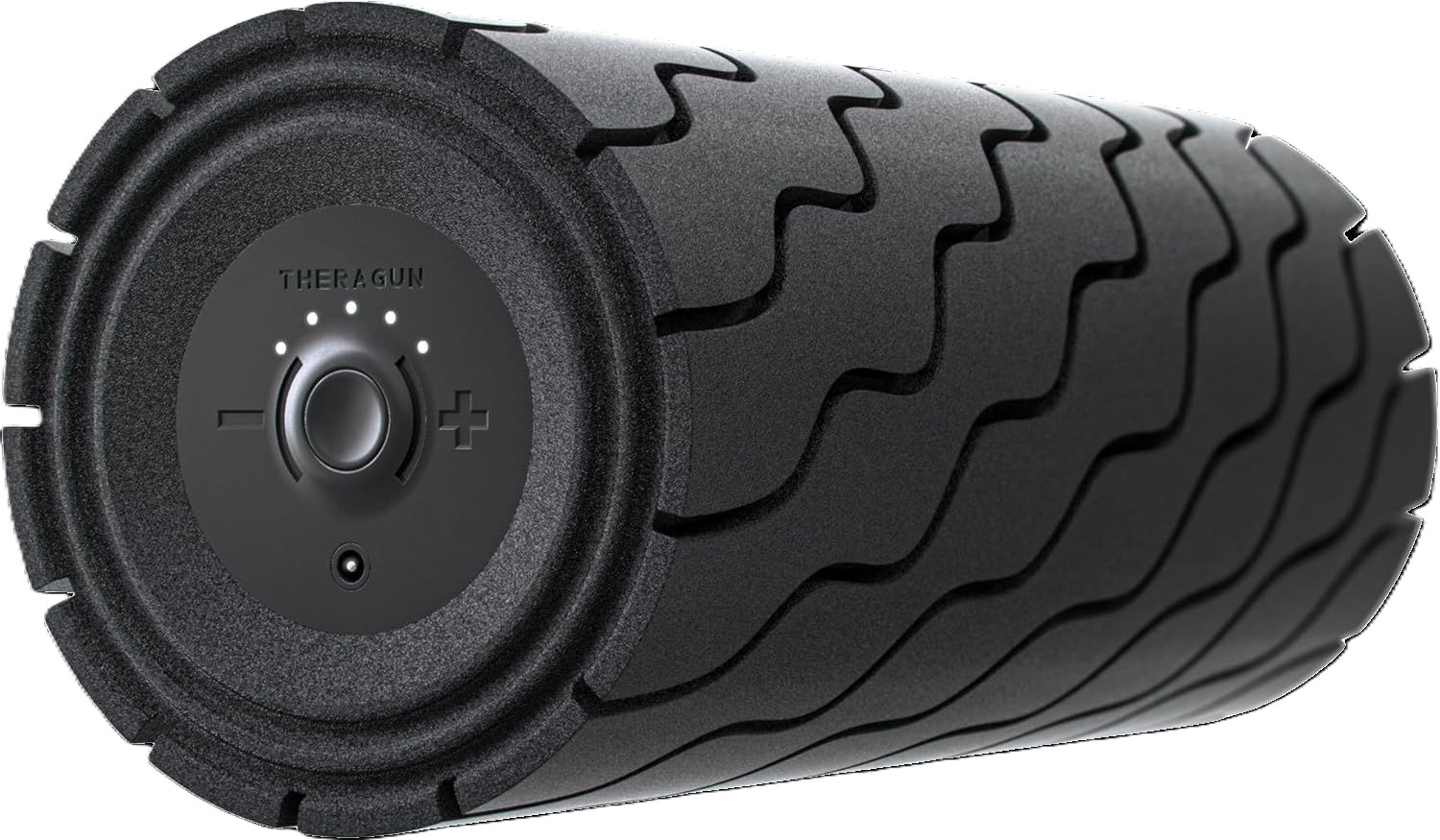
Therabody Wave Roller
If you're willing to invest more for a noticeably different recovery experience, the Wave Roller combines foam rolling with vibration therapy. Five vibration settings let you dial in the intensity — from a gentle hum for warmups to deep vibration for stubborn knots. The textured surface adds targeted pressure, and it connects to the Therabody app for guided routines tailored to specific muscle groups. The battery lasts about two hours per charge. A premium tool for someone who takes recovery seriously.
- Five vibration levels — adjust intensity to match your needs
- Bluetooth pairs with Therabody app for guided recovery routines
- Textured surface provides targeted myofascial release
- ~2 hour battery life — enough for multiple sessions per charge
Quick Comparison
| Roller | Best For | Firmness |
|---|---|---|
| TriggerPoint GRID 1.0 | All-around use | Medium-Firm |
| OPTP PRO-ROLLER Soft | Beginners & sensitive joints | Soft |
| Amazon Basics | Budget recovery | Firm |
| Rollga | Back pain & posture | Medium |
| Therabody Wave | Tech + max relief | Firm + Vibration |
How to Choose the Right Foam Roller
If you've never foam rolled before: Start with a smooth, soft-density roller like the OPTP PRO-ROLLER Soft or the Amazon Basics. Textured rollers can feel intense on muscles that aren't used to direct pressure. You can always upgrade later once you know what your body responds to.
If you want one roller that does everything well: The TriggerPoint GRID is the safe bet. It's firm enough to work through knots, textured enough to target specific areas, and compact enough to use anywhere.
If you sit at a desk all day: The Rollga's contoured design cradles your spine and targets the upper back tension that builds from hours of sitting. It's purpose-built for posture correction.
If budget is the priority: The Amazon Basics roller does the job. Foam rolling is more about consistency than equipment — an affordable roller used daily beats an expensive one collecting dust.
How to Foam Roll (The Short Version)
You don't need a complicated routine. Here's what actually matters:
- Roll slowly. About one inch per second. Fast rolling doesn't give your muscles time to release.
- When you find a tight spot, pause. Hold for 20–30 seconds and let the pressure do the work.
- Breathe through it. Tension makes tightness worse. Slow, steady breaths help your muscles relax.
- Stay on muscles, not joints. Roll your quads, hamstrings, calves, glutes, and upper back. Avoid rolling directly over your knees, lower back, or spine.
- Keep it short. Five minutes is enough. You don't need a 30-minute session to feel a difference.
Before a workout, light rolling can help loosen up stiff areas. After a workout, it can help reduce next-day soreness. Either timing works — the key is doing it regularly.
A Few Things to Keep in Mind
- Never roll directly over joints, the lower spine, or the neck
- If something causes sharp or shooting pain, stop — this should feel like mild pressure, not pain
- If you have osteoporosis, take blood thinners, or have been told you have a blood clot, talk to your doctor before starting foam rolling
- Start with a softer roller and light pressure — you can always work up
After Jump Rope Sessions
Focus on: calves, shins, quads, hamstrings, and glutes. Roll slowly, 30–60 seconds per area. This is where the OPTP Soft or TriggerPoint GRID really shine.
Pair it with proper footwear, a good jump rope mat, and a simple recovery routine — you'll notice a real difference in how your body feels between workouts.
Looking for a workout to pair with your recovery? Check out our 4-week beginner jump rope plan — designed for adults getting back into fitness.
Disclaimer: This page contains affiliate links. If you purchase through these links, we may earn a small commission at no extra cost to you. We only recommend products we'd genuinely use ourselves. As an Amazon Associate, we also earn from qualifying purchases.